
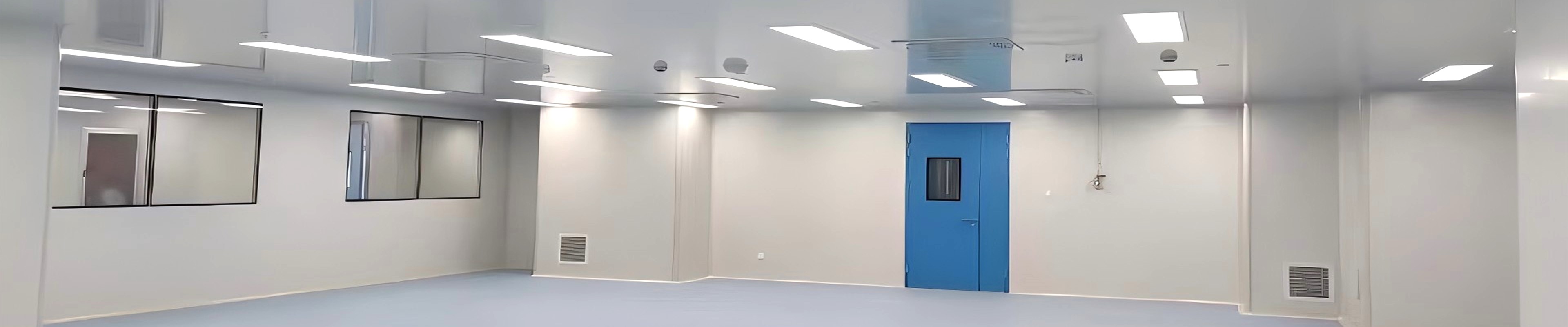
A cleanroom laboratory is a highly controlled space designed to meet strict requirements in scientific research and advanced manufacturing. By managing key environmental parameters—such as airborne particles, temperature, humidity, pressure, and microorganisms—cleanrooms create a stable and contamination-free “microenvironment.”
This article explains the core features of cleanroom laboratories and how modern solutions, such as those offered by SCT Cleanroom, help achieve reliable and compliant environments.
What Defines a Cleanroom Laboratory?
A cleanroom laboratory is built to minimize contamination and ensure process stability. It is widely used in industries like pharmaceuticals, biotechnology, semiconductors, and healthcare.
The foundation of a cleanroom lies in precise environmental control and specialized construction systems.
1. Core Environmental Control Features
Air Cleanliness Classification
Air cleanliness is defined by international standards such as ISO 14644-1, GMP, and Federal Standard 209E.
High-efficiency filtration systems, including HEPA and ULPA filters, continuously remove airborne particles. This keeps particle concentration within strict limits.
-Cleanliness levels range from ISO Class 1 (most stringent) to ISO Class 9
-Many biological laboratories require ISO Class 5 (Class 100) or higher
Maintaining the correct classification is essential for product quality and experimental accuracy.
Precise Temperature and Humidity Control
Stable temperature and humidity are critical in cleanroom environments.
Typical conditions:
-Temperature: 22 ± 1°C
-Relative Humidity: 45% ± 5%
Proper control helps:
-Prevent sample degradation
-Reduce instrument errors
-Avoid static electricity buildup
Modern HVAC systems used in turnkey cleanroom solutions ensure consistent environmental performance.
Directional Airflow and Pressure Control
Airflow design plays a key role in contamination control.
Unidirectional airflow (laminar flow):
-Air moves in a uniform direction across the workspace. This reduces turbulence and prevents cross-contamination.
Pressure differentials:
-Positive pressure keeps external contaminants out
-Negative pressure prevents hazardous substances from escaping (common in BSL-3/BSL-4 labs)
A well-designed pressure gradient ensures safe and efficient operation across different clean zones.
Microbial Control
In pharmaceutical and biotech cleanrooms, microbial contamination must be strictly managed.
Key practices include:
-Routine disinfection and sterilization
-Monitoring airborne and surface microorganisms (e.g., settle plates and active air sampling)
This ensures compliance with regulatory standards and protects sensitive processes.
2. Construction and Material Requirements
Airtight Structure and Smooth Surfaces
Cleanroom construction focuses on minimizing contamination risks.
-Walls, ceilings, and floors use seamless, corrosion-resistant, and easy-to-clean materials
-Common materials include cleanroom panels (color-coated steel panels) and epoxy flooring
-Structural protrusions are minimized to eliminate dust accumulation points
Companies like SCT Cleanroom provide integrated panel systems designed for durability, hygiene, and easy maintenance.
Dedicated Transfer Systems
To reduce contamination from personnel and materials, cleanrooms include specialized transfer systems:
-Pass boxes (transfer windows)
-Air showers
-Airlocks
These systems act as controlled entry points, maintaining internal cleanliness levels.
Anti-Static Design
In electronics and semiconductor environments, electrostatic discharge (ESD) can damage sensitive components.
Key solutions include:
-Anti-static flooring
-ESD-safe materials and consumables
These measures protect both products and equipment.
3. From Design to Turnkey Cleanroom Solutions
Building a cleanroom is not just about individual components. It requires a fully integrated system, including:
-Cleanroom panel systems
-HVAC and filtration units
-Electrical and control systems
-Modular construction methods
SCT Cleanroom specializes in turnkey cleanroom solutions for hospitals, laboratories, and industrial facilities. Their systems are designed to meet strict international standards while ensuring efficiency, reliability, and long-term performance.
Conclusion
A cleanroom laboratory is more than a controlled space—it is a precisely engineered microenvironment. From air cleanliness to structural materials, every detail contributes to contamination control and operational stability.
As industries demand higher standards, cleanroom design is evolving toward smarter, more integrated solutions. Choosing the right system provider and understanding key design principles are essential steps in building a high-performance cleanroom.
Post time: Apr-02-2026