
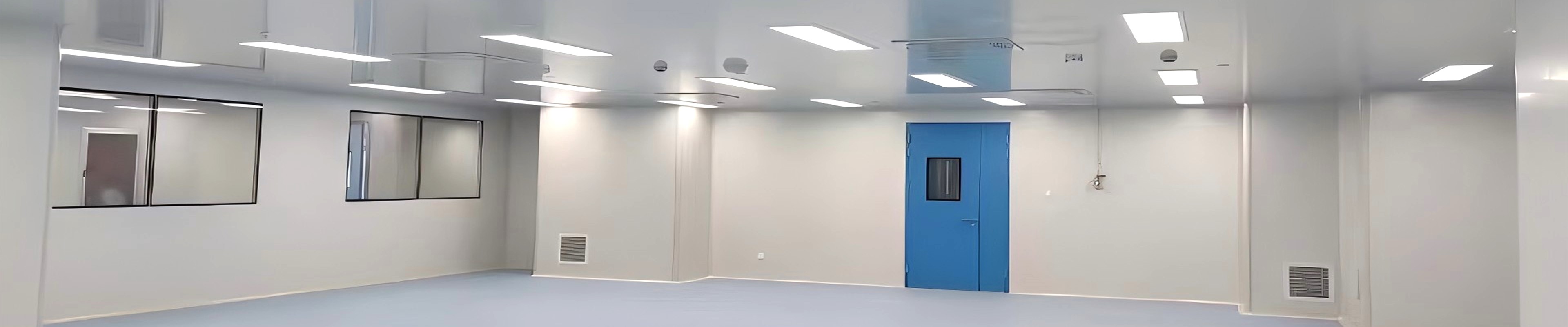
In aseptic pharmaceutical manufacturing, airflow pattern verification in class A cleanrooms is a critical process for ensuring unidirectional airflow and maintaining sterility assurance. However, during real-world qualification and validation activities, many manufacturers demonstrate significant gaps in airflow study design and execution—particularly in class A zones operating within class B background—where potential airflow interference risks are often underestimated or insufficiently assessed.
This article analyzes common deficiencies observed during airflow visualization studies in class A areas and provides practical, GMP-aligned improvement recommendations.
Gaps and Risks in Airflow Pattern Verification
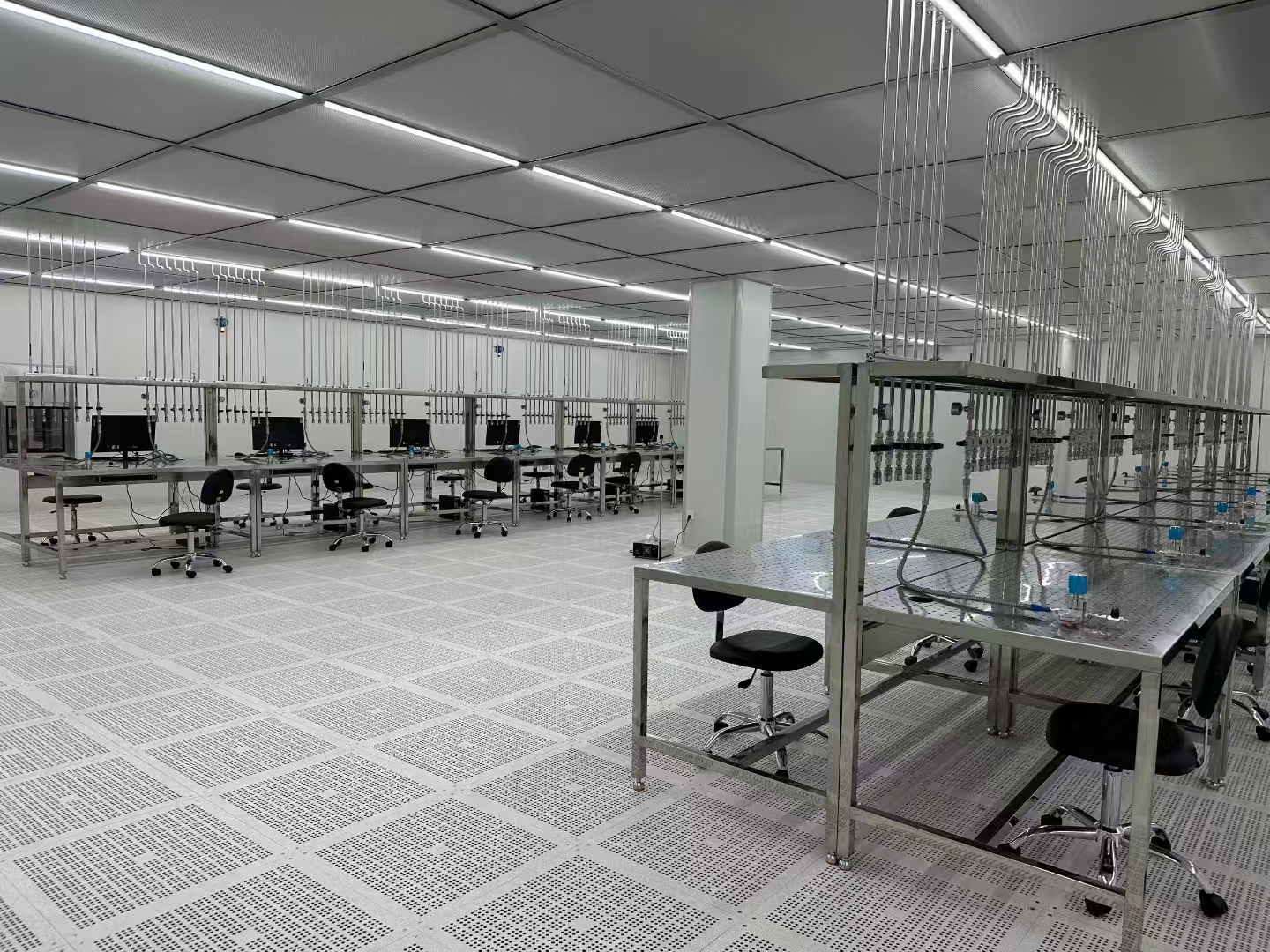
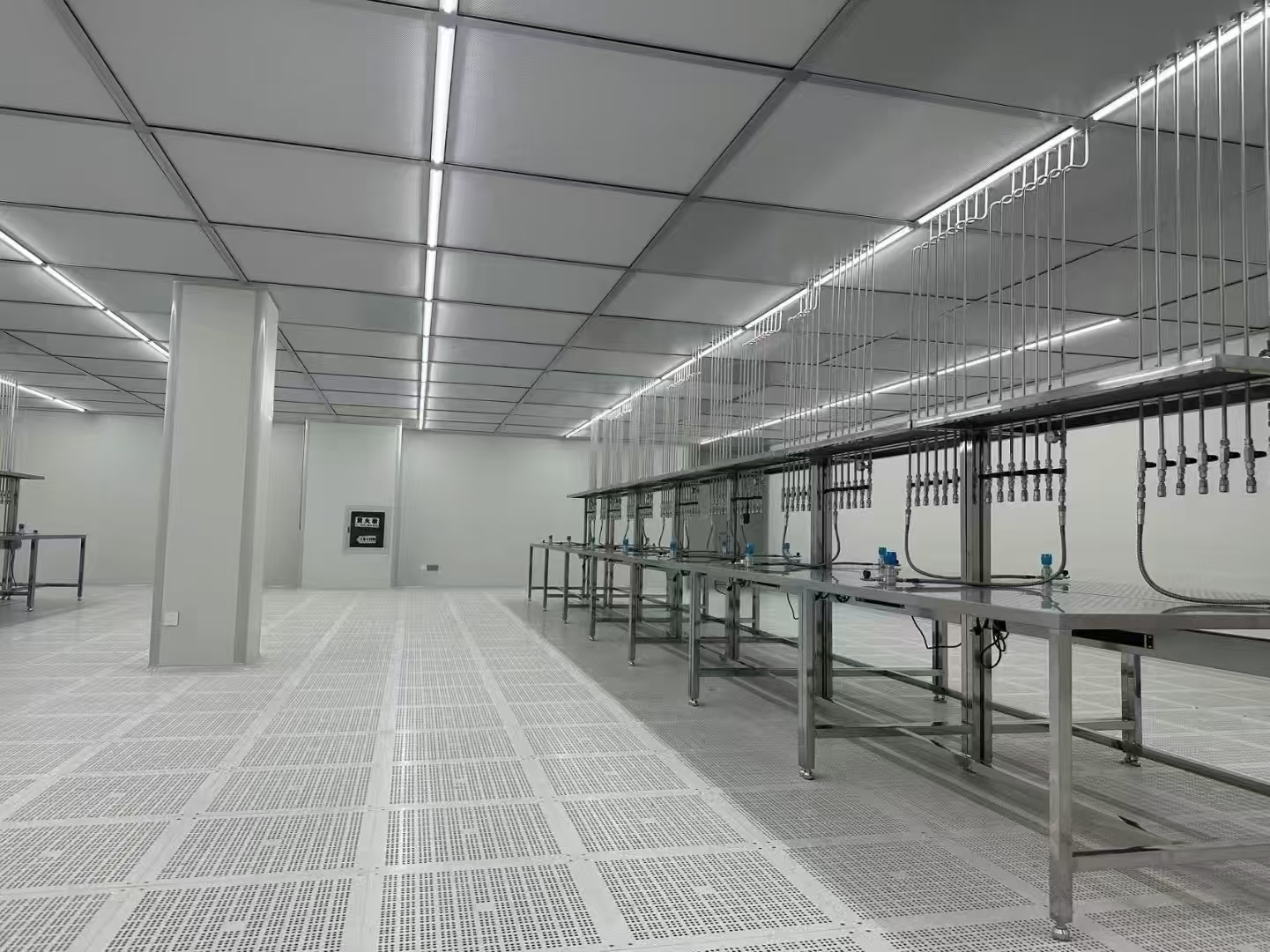
In the examined case, the class A area was constructed with partial physical barriers, leaving structural gaps between the enclosure ceiling and the FFU (Fan Filter Unit) supply air system. Despite this configuration, the airflow visualization study failed to systematically evaluate several critical scenarios, including:
1.Impact of airflow under static and dynamic conditions
The study did not assess how routine operations—such as personnel movement, manual interventions, or door openings—within the surrounding class B area could influence airflow stability in the class A zone.
2.Airflow collision and turbulence risks
No verification was performed to determine whether class B airflow, after impacting class A barriers, equipment, or operators, could generate turbulence and penetrate the class A supply airflow through structural gaps.
3.Airflow paths during door opening and operator intervention
The airflow study did not confirm whether reverse airflow or contamination pathways could occur when doors were opened or when personnel performed interventions in adjacent class B areas.
These omissions make it impossible to demonstrate that unidirectional airflow in the class A area can be consistently maintained during actual production conditions, thereby introducing potential microbial and particulate contamination risks.
Deficiencies in Airflow Visualization Test Design and Execution
A review of the airflow visualization reports and video records revealed several recurring issues:
1.Incomplete Test Area Coverage
Across multiple production lines—including filling, prefilled syringe processing, and capping—the airflow studies failed to adequately cover high-risk and critical locations, such as:
✖Areas directly beneath class A FFU outlets
✖Tunnel depyrogenation oven exits, Bottle unscrambling zones, Stopper bowls and feeding systems, Material unwrapping and transfer areas
✖Overall airflow paths across the filling zone and conveyor interfaces, especially at process transition points
2.Unscientific Testing Methods
✖The use of single-point smoke generators prevented visualization of overall airflow patterns across the class A zone
✖Smoke was released directly downward, artificially disturbing natural airflow behavior
✖Typical operator interventions (e.g., arm intrusion, material transfer) were not simulated, resulting in an unrealistic assessment of airflow performance
3.Inadequate Video Documentation
Videos lacked clear identification of room names, line numbers, and timestamps
Recording was fragmented and did not continuously document airflow across the entire production line
Footage focused only on isolated operation points without providing a global view of airflow behavior and interaction
GMP-Compliant Recommendations and Improvement Strategies
To reliably demonstrate unidirectional airflow performance in class A cleanrooms and meet regulatory expectations, manufacturers should implement the following improvements:
✔Enhance Test Scenario Design
Airflow visualization should be conducted under both static and multiple dynamic conditions, including door opening, simulated operator interventions, and material transfers, to reflect real production scenarios.
✔Clearly Define SOP Technical Requirements
Standard operating procedures should explicitly define smoke generation methods, smoke volume, camera positioning, test locations, and acceptance criteria to ensure consistency and repeatability.
✔Combine Global and Local Airflow Visualization
The use of multi-point smoke generators or full-field smoke visualization systems is recommended to simultaneously capture overall airflow patterns and localized airflow behavior around critical equipment.
✔Strengthen Video Recording and Data Integrity
Airflow visualization videos should be fully traceable, continuous, and clearly labeled, covering all class A operations and clearly illustrating airflow paths, disturbances, and potential risk points.
Conclusion
Airflow pattern verification should never be treated as a procedural formality. It is a foundational element of sterility assurance in class A cleanrooms. Only through scientifically sound test design, comprehensive area coverage, and robust documentation—or by engaging qualified professional testing services—can manufacturers truly demonstrate that unidirectional airflow is maintained under both designed and disturbed operating conditions.
A rigorous airflow visualization strategy is essential to building a reliable contamination control barrier and safeguarding the quality and safety of sterile pharmaceutical products.
Post time: Dec-29-2025