
As the “Healthy China” initiative becomes a core national development strategy, every sector connected to public health—from clinical care to scientific research—is pursuing higher standards of safety, precision, and risk control.
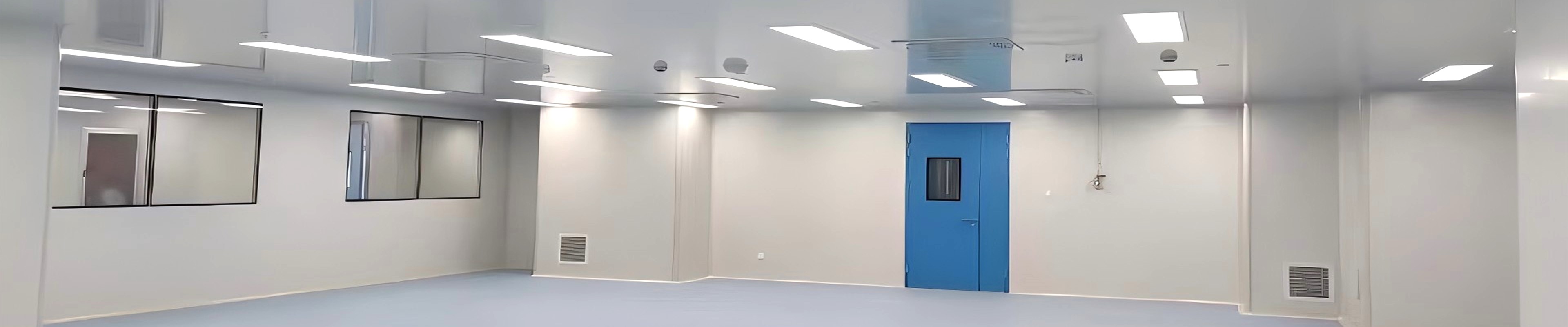
Behind the scenes, cleanroom engineering plays a critical yet often underestimated role. Far more than simple sanitation, cleanroom engineering creates controlled environments by precisely managing airborne particles, microbial contamination, temperature, and humidity. By reducing risks at the source and ensuring experimental accuracy, it has become an indispensable foundation supporting the long-term goals of a healthier society.
Medical Cleanroom Engineering: The Sterile Frontline of Life Protection
Within hospitals and advanced healthcare facilities, medical cleanroom engineering represents the first line of defense for patient safety. From ISO Class 5 operating rooms used in cardiovascular surgery, to sterile wards for organ transplantation, and IV compounding pharmacies, controlled environments are essential to modern medical care.
In operating rooms, multi-stage HEPA filtration systems remove dust and airborne pathogens while maintaining unidirectional airflow to prevent contamination of surgical sites. In isolation and protective wards, cleanroom systems help shield immunocompromised patients—such as those undergoing chemotherapy or organ transplants—from external infection risks.
Specialized spaces like DSA (Digital Subtraction Angiography) operating rooms require an even higher level of engineering integration. In addition to sterility, these environments must incorporate radiation shielding, ensuring safety for both patients and medical staff. By maintaining predictable, controlled conditions, medical cleanroom engineering directly influences surgical success rates, recovery outcomes, and overall healthcare quality.


Research Laboratory Cleanrooms: A Precision Platform for Innovation
In medical research and pharmaceutical development, cleanroom engineering acts as an invisible safeguard for scientific accuracy. Even microscopic particles or trace contaminants can compromise experimental integrity, leading to unreliable data or failed research outcomes.
For example:
➤Vaccine development laboratories rely on sterile, cross-contamination-free environments to ensure the purity of cell cultures.
➤Genetic testing and molecular diagnostics labs require ultra-clean air to prevent nucleic acid contamination that could cause false-positive results.
➤Advanced materials and biomedical research labs depend on precise temperature, humidity, and particulate control to ensure consistency during synthesis and testing.
By providing stable, controlled environments tailored to specific research needs, cleanroom engineering enables scientists to focus on innovation with confidence—accelerating breakthroughs that ultimately support public health and medical advancement.

Animal Research Facility Cleanrooms: A Healthy Environment for Reliable Data
Laboratory animals play a vital role in medical research, from disease mechanism studies to drug safety evaluation. Cleanroom engineering in animal research facilities is designed not only to maintain environmental cleanliness, but also to support animal welfare and data reliability.
Unlike conventional laboratories, animal facilities must account for species-specific physiological needs. Cleanroom systems regulate temperature (typically 68–79°F / 20–26°C) and humidity (40–60%) to minimize stress and health fluctuations. Air filtration systems remove odors and harmful gases generated by animal waste, reducing the risk of disease transmission between housing zones.
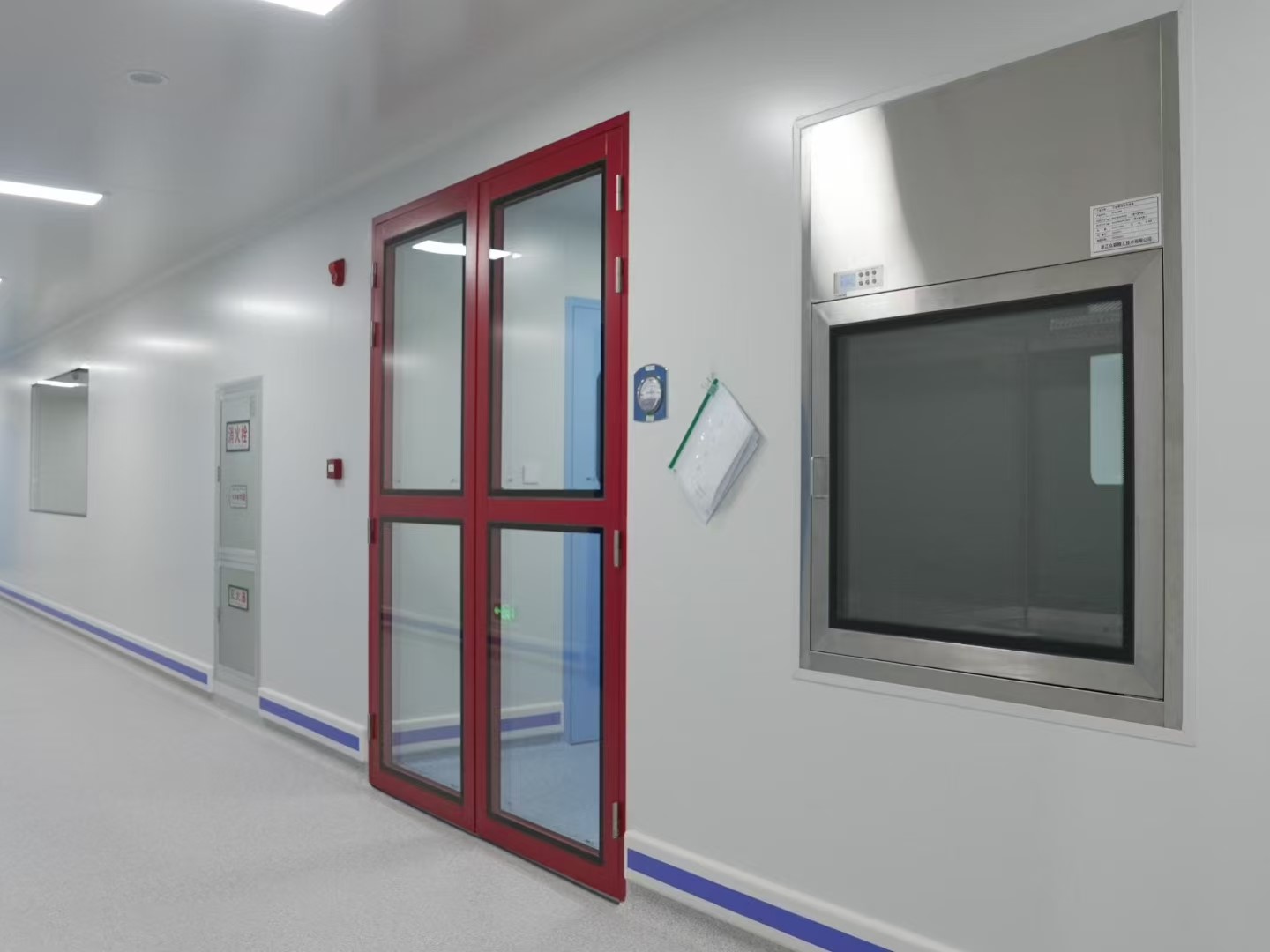
Additionally, walls, floors, and surfaces are constructed with materials that are easy to clean and disinfect, minimizing microbial buildup. When laboratory animals are housed in healthy, stable conditions, experimental results become more consistent, reproducible, and scientifically valid—forming a reliable foundation for downstream medical research and drug development.
Cleanroom Engineering: A Silent Pillar of Public Health Progress
From protecting lives in clinical settings to supporting breakthroughs in life sciences research, cleanroom engineering may not directly treat patients—but it enables everything that modern healthcare depends on. Through meticulously controlled environments, it embeds sterility, precision, and safety into every critical process.
As the “Healthy China” initiative continues to evolve, cleanroom engineering will also advance—delivering more specialized, efficient, and adaptable solutions. In doing so, it will remain a key contributor to improving healthcare quality, accelerating scientific innovation, and strengthening the foundation of national and global public health.
Post time: Dec-23-2025