
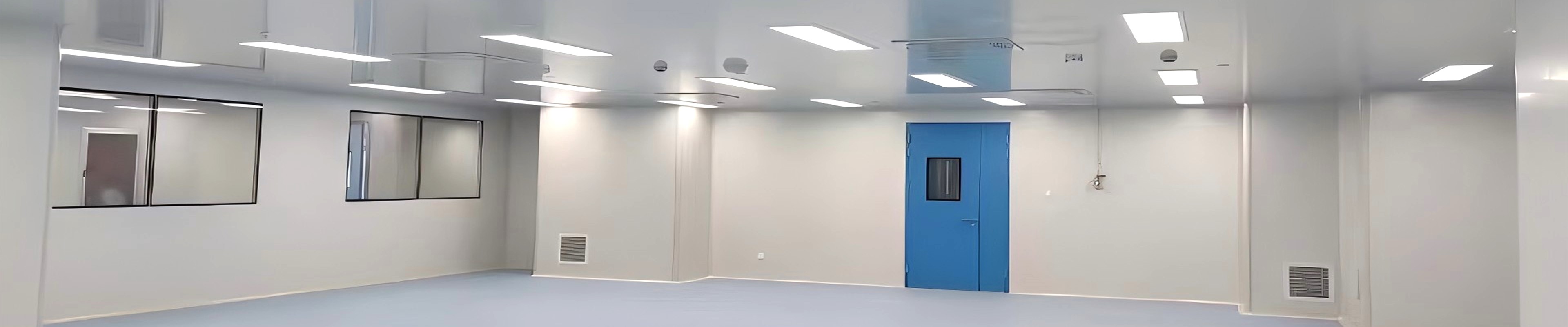
Maintaining a controlled environment is essential for industries such as pharmaceuticals, electronics, and healthcare. However, even the most advanced cleanroom systems can be affected by various contamination sources. Understanding these sources is the first step toward effective cleanroom contamination control.
At SCT Cleanroom, we provide turnkey cleanroom solutions designed to minimize contamination risks and ensure compliance with strict industry standards.
1. External Contamination Sources
External pollutants are one of the primary threats to cleanroom environments.
Airborne Particles and Microorganisms
The atmosphere contains suspended particles such as dust, pollen, bacteria, and viruses. These contaminants can enter the cleanroom through ventilation systems, door gaps, or during material transfer processes.
Geographical and Environmental Factors
The level of outdoor contamination varies depending on location. Industrial cities typically have higher particle concentrations compared to rural or non-industrial areas, which directly impacts the cleanroom's air quality.
✓Solution: High-efficiency filtration systems (HEPA/ULPA) and well-designed HVAC systems are essential to prevent external contamination.
2. Internal Contamination Sources
Internal sources are often the most significant contributors to cleanroom contamination.
Personnel Contamination
Humans are the largest source of contamination inside a cleanroom. Personnel generate particles such as skin flakes, fibers, dust, and residues from cosmetics. They also emit gases like carbon dioxide and ammonia.
Studies show that particle generation during movement is 3–7 times higher than when stationary. Proper cleanroom garments can significantly reduce this contamination.
✓Solution: Use certified cleanroom apparel, implement strict gowning procedures, and minimize unnecessary movement.
Equipment and Process-Generated Particles
Mechanical equipment, especially moving parts like motors and gears, can generate particles through friction. Manufacturing processes may also release dust, fibers, or chemical residues.
✓Solution: Use enclosed systems, apply local exhaust ventilation, and select low-emission equipment.
Building Materials and Surfaces
Walls, ceilings, floors, and exposed pipelines can release particles, bacteria, mold, or even harmful gases like formaldehyde if not properly designed.
✓Solution: Use non-shedding, easy-to-clean materials and ensure airtight construction during cleanroom design.
3. Cross-Contamination and System-Related Sources
Adjacent Area Contamination
Contaminants can enter from nearby areas with lower cleanliness levels. Personnel and materials often carry particles into the cleanroom if proper transfer protocols are not followed.
✓Solution: Install airlocks, pass boxes, and maintain pressure differentials between zones.
HVAC and Air Filtration System Issues
Although HEPA and ULPA filters are highly effective, their performance can degrade over time due to clogging or damage.
✓Solution: Regular inspection, maintenance, and timely replacement of filters are critical to maintaining cleanroom performance.
Conclusion
Cleanroom contamination originates from multiple sources, including external air, personnel, equipment, building materials, and adjacent environments. Effective contamination control requires a comprehensive approach that combines proper design, advanced filtration systems, strict operational protocols, and regular maintenance.
At SCT Cleanroom, we specialize in designing and delivering high-performance cleanroom systems that address all major contamination risks—helping you achieve consistent cleanliness, regulatory compliance, and operational efficiency.
Post time: Apr-10-2026