
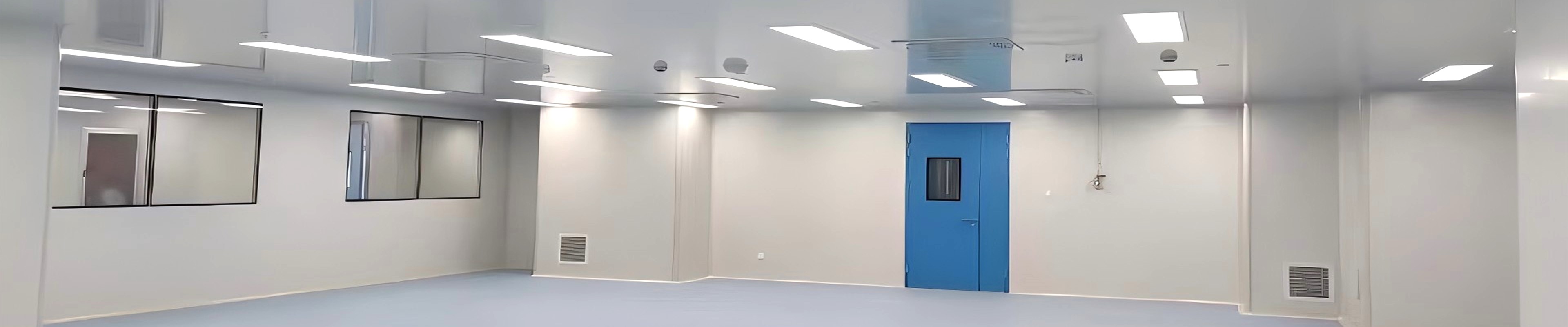
Driven by rising standards in advanced manufacturing and healthcare, the cleanroom panel industry is entering a new stage of high-quality growth. This stage is defined by performance, innovation, and reliability. According to industry analysis, the global market exceeded USD 10 billion by the end of 2025. It is expected to maintain a year-on-year growth rate of over 8% in 2026.
Demand Shift and Emerging Applications Fuel Market Expansion
Two major forces are driving this growth.
1. Changing demand structure
High-end industries such as semiconductors and biopharmaceuticals now account for more than 65% of global premium demand. These sectors require strict environmental control and material performance. As a result, cleanroom panels are evolving toward high-performance and customized solutions.
2. Regulations and new application scenarios
Stricter healthcare regulations are pushing the use of materials that resist strong oxidizing agents. At the same time, emerging sectors like data centers and new energy battery production are expanding the application scope of cleanroom panels.
Technology and Material Innovation Define the Future
The industry's transformation is rooted in breakthroughs in core materials and manufacturing technologies.
1. High-Performance Panel Materials
Mainstream materials are shifting from standard color-coated steel to more durable options such as 304/316L stainless steel and fluorocarbon-coated steel panels.
Surface treatment has become a key differentiator. High-end products now feature functional coatings with over 99% antibacterial efficiency. They also offer anti-static and strong oxidation resistance. These features directly meet the strict requirements of healthcare and electronics industries.
2. Eco-Friendly and Purifying Core Materials
Core materials are evolving toward A1 fire-rated and environmentally friendly solutions.
Inorganic materials like rock wool and magnesium oxysulfate boards have become standard. More advanced materials, such as silicon-based composite cores, are gaining attention. These materials can achieve over 92% VOC adsorption efficiency, making them ideal for environments with strict air quality requirements.
3. Precision Structural Design
Connection and sealing technologies directly impact final performance.
Advanced joint systems, such as tongue-and-groove and concealed fixing designs, can achieve seam widths of ≤1 mm. This level of precision meets ISO Class 5 cleanroom standards and above.
Combined with modular installation methods, these systems improve airtightness while also increasing construction efficiency and consistency.
From Standard Products to Scenario-Based Customization
Market feedback shows a clear shift toward customized solutions.
-In healthcare environments, electrolytic steel panel systems with high airtightness and strong oxidation resistance are essential for operating rooms.
-In electronics manufacturing, composite panels with integrated anti-static properties are critical for maintaining stable production conditions.
Conclusion: A Clear Path Toward Integrated Solutions
The upgrade path of the cleanroom panel industry is becoming clear. It is moving from single-material products to integrated solutions that combine nanotechnology and intelligent systems.
At the same time, the market is shifting from general standards to highly customized solutions for industries such as semiconductors and biopharmaceuticals.
In this key period of technology-driven transformation, understanding industry trends and connecting with the right resources will be essential for companies that want to stay competitive.
Post time: Mar-31-2026