
When evaluating a cleanroom project, cleanliness classification is often the first metric that comes to mind. However, a truly successful cleanroom is not defined solely by particle counts or filtration efficiency. The best cleanroom environments are designed to support productivity, operational stability, regulatory compliance, and future growth.
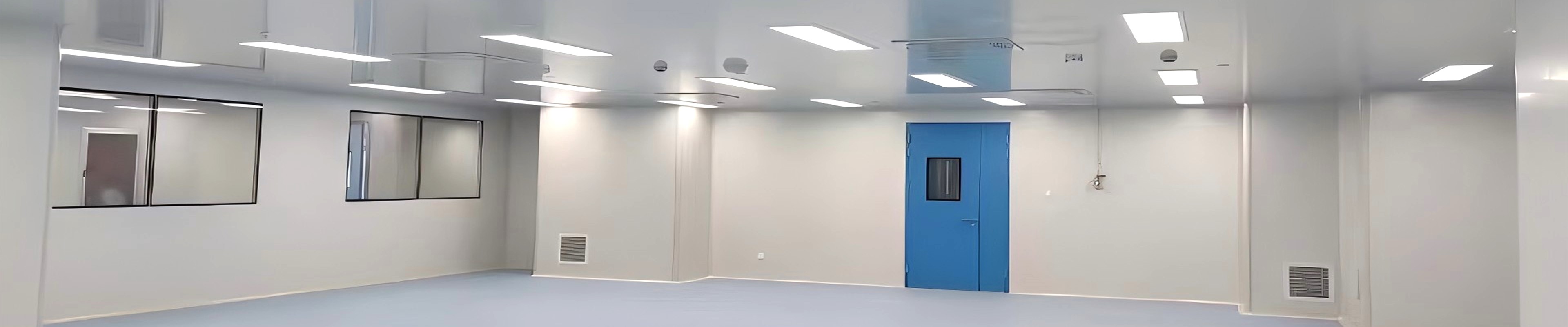
The latest SCT Cleanroom project is a strong example of this philosophy. As shown in the project showcase, the facility features a bright, organized, and highly controlled environment that not only meets cleanroom standards but also supports efficient daily operations. From space planning to environmental control, every element has been carefully engineered to create a workspace that delivers reliable performance over the long term.
A Cleanroom Should Support the Process, Not Just the Standard
Many companies focus on achieving a specific ISO classification during the construction phase. While this is important, the real challenge begins after the facility starts operating.
A cleanroom must function effectively every day. Personnel need to move efficiently. Equipment must operate reliably. Materials should flow smoothly through the production process. If the cleanroom layout creates bottlenecks or maintenance difficulties, productivity can suffer even if cleanliness requirements are technically met.
This is why SCT approaches every project from both an engineering and operational perspective. Rather than viewing the cleanroom as a collection of individual components, the entire facility is designed as an integrated production environment.
The result is a workspace that balances contamination control with practical usability, helping clients achieve both quality and efficiency goals.
Smart Layout Design Creates Better Workflow Efficiency
One of the most noticeable features of the showcased project is its open and well-organized interior layout. The bright environment and clear workflow pathways create a comfortable and productive working atmosphere.
A well-designed cleanroom should allow operators, equipment, and materials to move through the facility with minimal disruption. Proper zoning reduces unnecessary movement and helps lower the risk of contamination between different operational areas.
By considering workflow requirements during the design phase, SCT helps clients improve operational efficiency while maintaining strict environmental control. This approach is particularly valuable for industries where production continuity and process consistency directly impact profitability.
Instead of simply building clean spaces, SCT focuses on creating environments that actively support business operations.
Long-Term Reliability Starts with Quality Materials
The long-term performance of a cleanroom depends heavily on the quality of its construction materials. Daily cleaning procedures, temperature fluctuations, humidity control, and continuous operation place significant demands on every component within the facility.
For this reason, SCT utilizes high-quality cleanroom materials that are selected for durability, cleanliness, and ease of maintenance. Smooth wall systems, precision-engineered connections, and corrosion-resistant surfaces help maintain a professional appearance while reducing maintenance requirements over time.
The seamless design visible throughout the project also helps prevent dust accumulation and simplifies cleaning procedures. This not only supports cleanliness standards but also reduces operational costs throughout the facility's lifecycle.
Investing in quality materials at the beginning of a project often results in significant savings and greater reliability in the years that follow.
Environmental Stability Is the Foundation of Cleanroom Performance
Cleanroom success depends on maintaining stable environmental conditions every day, not just during initial testing and certification.
A high-performance cleanroom requires consistent control of airflow, pressure, temperature, and humidity. Small fluctuations can affect product quality, research accuracy, or manufacturing consistency.
The SCT project incorporates advanced air management and purification systems designed to support continuous environmental stability. Clean air is distributed evenly throughout the workspace, helping maintain controlled conditions across all operational areas.
This stable environment is particularly important in industries such as pharmaceutical manufacturing, medical device production, biotechnology, and precision electronics, where even minor contamination or environmental variation can lead to costly consequences.
By focusing on long-term environmental control, SCT helps clients reduce operational risks and maintain consistent production quality.
Building for Today While Preparing for Tomorrow
Modern manufacturing facilities must be prepared for future growth. Production requirements, regulations, and technologies continue to evolve, making flexibility an increasingly important consideration during cleanroom design.
SCT's modular engineering approach allows facilities to adapt more easily to changing operational needs. Whether expanding production capacity, upgrading equipment, or modifying process layouts, a flexible cleanroom infrastructure can help reduce future renovation costs and downtime.
This forward-thinking design philosophy enables clients to maximize the value of their investment while maintaining compliance with evolving industry standards.
Rather than building only for current requirements, SCT helps clients prepare for long-term success.
More Than Construction: A Complete Project Delivery Approach
The success of any cleanroom project depends not only on the final facility but also on the management of the entire process.
From initial consultation and engineering design to material production, installation, testing, and commissioning, SCT provides comprehensive project support. Every stage is carefully coordinated to ensure quality, efficiency, and consistency.
This integrated approach helps minimize communication challenges, improve project timelines, and ensure that all systems work together as intended once the facility becomes operational.
For clients, this means greater confidence throughout the project lifecycle and a smoother transition from construction to production.
Conclusion
A high-performance cleanroom is about much more than achieving a cleanliness classification. It is about creating an environment that supports productivity, reliability, compliance, and long-term operational success.
The latest SCT Cleanroom project demonstrates how thoughtful design, quality materials, environmental stability, and efficient workflow planning can work together to deliver lasting value. By focusing on both technical performance and practical operation, SCT continues to help global clients build cleanroom environments that perform reliably today and remain effective for years to come.
Post time: Jun-05-2026